How to Price Food Plates for Real Profit
Calculate a profitable food-plate price using recipe yield, ingredients, packaging, labor, fees, overhead, break-even volume, and a worked example.
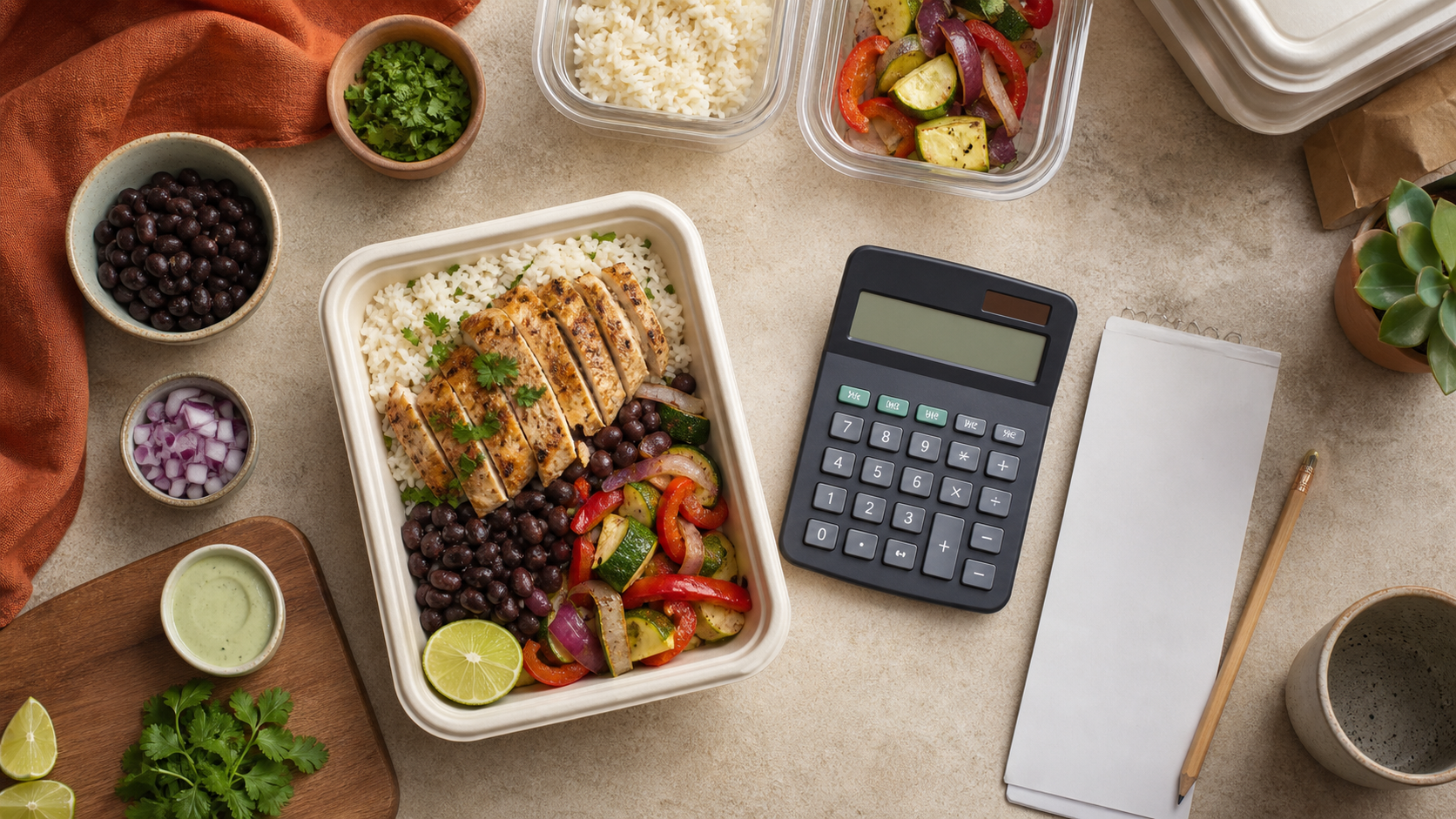
A plate can sell out and still lose money. The only way to know whether a menu works is to price it from the amount you can actually sell, the costs you actually incur, and the profit the sale needs to produce.
This method separates batch costs, per-plate costs, monthly overhead, and profit. It gives you a starting price you can explain, test, and revise after every menu drop.
Start with a tested batch and saleable yield
Do not price from a recipe that says “serves 10” unless you have confirmed what one paid portion looks like. Cook the recipe using the same ingredients, equipment, and portion tools planned for the sale. Then measure the finished amount and count complete, saleable plates.
If a batch fills 18 full containers plus one undersized container, the yield is 18 plates—not 19. Dividing the batch cost by an inflated yield makes every plate appear cheaper than it is.
Record:
- ingredient brand and package size;
- purchase price and amount used;
- trim, bone, cooking, or draining loss where relevant;
- finished batch weight or volume;
- portion tool and amount per plate;
- complete saleable yield.
The standardized recipe guide explains how to repeat the same portion instead of quietly changing the cost from one sale to the next.
Calculate every variable cost
Variable costs rise as you sell more plates. Penn State Extension’s food-product pricing guidance identifies ingredients, labor, packaging, and sales commissions as examples. For a direct plate sale, your list may include:
- every recipe ingredient, including oil, seasoning, sauce, garnish, and bread;
- container, lid, liner, sauce cup, label, bag, napkin, and utensil;
- payment-processing or marketplace fees;
- paid delivery expense tied to the order;
- direct labor for shopping, preparation, cooking, packing, cleanup, messaging, and handoff;
- expected waste or remake cost supported by your own records.
Convert each purchase price into the amount used. If a $12 package contains 16 measured cups and the batch uses four cups, the batch receives $3 of that cost. Use the same method for bulk spices, oil, packaging sleeves, and condiments instead of treating an opened package as free.
Then divide total batch variable cost by the tested saleable yield:
Variable cost per plate = total batch variable cost ÷ saleable plates
Keep the source numbers in a costing sheet so a changed supplier price can be updated without rebuilding the calculation from memory.
Give labor a real value
Owner time is not automatically profit. A sale may leave cash after groceries while paying nothing for six hours of work.
Choose an hourly labor value you can defend for planning purposes. Track the actual time used for:
- shopping and receiving;
- preparation and cooking;
- portioning and packing;
- order administration;
- pickup or delivery;
- cleaning and closeout.
Multiply total hours by the hourly value, then include that result in the batch’s variable cost. If another person is paid to help, use the full cost required by the applicable employment and tax rules, not only the cash handed over.
Labor per plate usually falls when a tested process produces a somewhat larger batch, but only until equipment or staffing becomes a bottleneck. Do not base the price on 50 plates if your kitchen has only proved it can complete 20.
Allocate fixed and occasional costs
Fixed costs do not rise directly with each plate, but the business still has to pay them. Examples may include permits, insurance, software, phone service, equipment replacement, business registration, and a reasonable share of utilities or kitchen expense where allowed.
List monthly fixed costs separately. Estimate a realistic monthly sales volume and divide:
Fixed cost per plate = monthly fixed costs ÷ realistic monthly plate volume
Avoid using a fantasy volume to make overhead disappear. The SBA recommends organizing startup and operating expenses so you see the full financial picture rather than only inventory cost. Its business-planning resources also encourage comparing demand, local alternatives, and the prices customers currently pay.
Occasional costs—annual permits, thermometer replacement, equipment maintenance, or photography supplies—can be converted into a monthly planning amount. Confirm current state and local tax or permit requirements with the responsible authority, and ask a qualified professional about your situation instead of assuming that a cost is deductible because it appears in your price.
Work through one plate-pricing example
The following numbers are an example, not a market benchmark.
A seller tests a 20-plate chicken dinner batch:
| Batch cost | Example amount |
|---|---|
| Ingredients | $72 |
| Packaging and labels | $18 |
| Five labor hours at $18 | $90 |
| Estimated transaction and delivery-related fees | $10 |
| Total variable batch cost | $190 |
The variable cost is $190 ÷ 20 = $9.50 per plate.
Monthly fixed costs are estimated at $180. The seller reasonably expects three 20-plate sales per month, or 60 plates. Fixed cost allocation is $180 ÷ 60 = $3 per plate.
The planned total cost is therefore $12.50 per plate. If the seller wants $3.50 in profit per plate, the initial price floor is $16.
At a $16 price, the contribution margin after the $9.50 variable cost is $6.50. Dividing $180 of monthly fixed costs by $6.50 gives a break-even volume of 27.7, rounded up to 28 plates per month. Penn State’s pricing worksheet uses the same contribution-margin logic to connect unit price, variable cost, fixed cost, and break-even volume.
This calculation does not prove that customers will pay $16. It proves what the assumed costs, volume, and profit require. If the market will not support the result, change the menu, portion, process, channel, or cost structure deliberately. Do not simply erase labor or profit from the sheet.
Compare the price with the market
Cost creates a floor; customers and alternatives influence what the market will accept. Compare offers that solve the same customer need in the same area. A restaurant pickup special, meal-prep service, caterer, and home seller may have different portions, convenience, overhead, and service.
Record what is included, portion size, pickup or delivery, ordering experience, availability, and visible quality—not only the headline price. University of Minnesota Extension notes that selling channels have different labor, packaging, and marketing costs, so a higher retail price does not automatically mean a higher return. Its direct-marketing guidance recommends considering both production and selling costs.
If your calculated price is above nearby alternatives, decide whether the plate offers a clear difference or whether the recipe needs redesign. If it is far below them, check for missing labor, packaging, fees, overhead, or an unrealistically high yield.
Price choices and add-ons separately
An upgrade is profitable only when its added price exceeds its added cost and complexity. Cost extra protein, premium sides, desserts, drinks, delivery, and catering quantities as separate products.
Do not average an expensive option into every order and hope the mix works. If customers can choose between two proteins, calculate each version. If delivery requires mileage and time, show a delivery fee or build that channel’s cost into its price rather than charging pickup customers for it invisibly.
For larger formats, use the dedicated catering-tray pricing method because pan yield, deposits, serving estimates, and delivery can change the calculation.
Close the sale with actual numbers
After the sale, replace estimates with actual revenue, refunds, fees, labor hours, ingredient usage, packaging, waste, and completed plates. The post-sale profit calculation turns those records into a result you can compare with the plan.
Update the costing sheet when package prices, recipe yield, portion size, payment method, or labor time changes. A price is not permanent; it is a decision based on current evidence.
The useful question is not “What should people charge for a plate?” It is “What price covers this plate, through this process, at a volume this kitchen can actually sell?” Build that answer from a tested yield, complete costs, realistic overhead, market context, and a stated profit goal.
Ready to move?
Turn the research phase into your first sale.
The guide brings pricing, menu planning, marketing, and setup into one clear playbook.
Get the guide on Gumroad